Merle Fraser: A Detailed Insight Into Her Life, Family, and Connection to Evie Natasha Bean

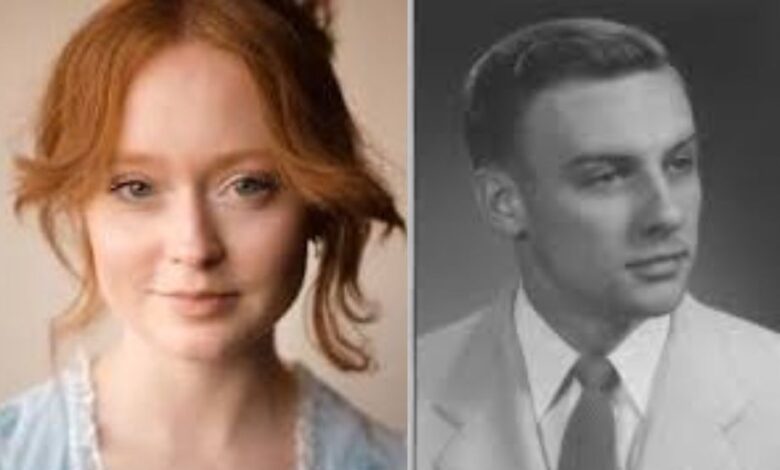
In the age of digital media and celebrity culture, public curiosity often extends beyond famous personalities to their families and relatives. One such name that has attracted increasing attention is Merle Fraser. While she is not a mainstream public figure, searches for “who is Merle Fraser,” “Merle Fraser age,” “Merle Fraser relations,” and “Merle Fraser and Evie Natasha Bean” suggest growing interest in her background and personal life.
This article provides a comprehensive, factual, and respectful overview of Merle Fraser, exploring what is publicly known about her identity, family connections, and why her name frequently appears alongside Evie Natasha Bean. It also clarifies which aspects of her life remain private, helping readers distinguish between verified information and speculation.
Who Is Merle Fraser?
Merle Fraser is best known as a private individual connected to a well-known British acting family. She has gained public attention primarily due to her family ties rather than any independent public career in entertainment, media, or business.
Merle Fraser is widely reported in genealogy and biographical references as the daughter of English actress Abigail Cruttenden and her husband Jonathan R. Fraser. Abigail Cruttenden is a recognized figure in British television and theatre, which naturally places her children under occasional public curiosity.
Unlike many celebrity children who follow their parents into acting or public-facing careers, Merle Fraser has maintained a largely private life, with no confirmed professional presence in films, television, or mainstream media.
Merle Fraser’s Background and Early Life
There is limited publicly available information about Merle Fraser’s early life, education, or upbringing. This is not unusual, especially when parents consciously choose to protect their children from excessive media exposure.
What is generally understood is that Merle Fraser grew up in the United Kingdom in a family environment influenced by the arts due to her mother’s acting career. However, there is no evidence suggesting that Merle herself has pursued acting, modeling, or entertainment professionally.
Her relative absence from interviews, red carpet appearances, and public social media discussions reinforces the conclusion that Merle Fraser prefers a private and low-profile lifestyle.
Merle Fraser Age
One of the most searched queries online is “Merle Fraser age.” Despite this interest, her exact date of birth has not been publicly disclosed.
Based on publicly available family timelines, it is believed that Merle Fraser was born after Abigail Cruttenden’s marriage to Jonathan R. Fraser, which took place in the early 2000s. This places Merle Fraser likely in her late teens or early twenties, though this remains an estimate rather than a confirmed fact.
Importantly, no reliable public records, interviews, or official biographies confirm her precise age. As such, any exact number shared online should be treated with caution.
Merle Fraser Net Worth
Another frequently searched phrase is “Merle Fraser net worth.” However, there is no verified or credible information regarding Merle Fraser’s personal wealth.
Because Merle Fraser is not known to be involved in business, entertainment, or any commercial ventures, assigning a net worth figure would be speculative and misleading. Unlike public figures whose income is tied to visible professional activities, Merle Fraser’s financial details remain private.
It is also important to clarify that a parent’s net worth should not be attributed to a child unless there is confirmed inheritance or independent earnings. As of now, Merle Fraser’s net worth is not publicly documented.
Merle Fraser Relations and Family
Mother: Abigail Cruttenden
Merle Fraser’s mother, Abigail Cruttenden, is a British actress known for her work in television, theatre, and film. She has appeared in several notable productions and has been active in the UK entertainment industry for many years.
Abigail Cruttenden has spoken in interviews about balancing professional life with motherhood, which suggests a strong emphasis on family privacy and normalcy—something reflected in Merle Fraser’s low public profile.
Father: Jonathan R. Fraser
Merle Fraser’s father, Jonathan R. Fraser, is not a public figure. Very little information is available about his professional or personal life, further reinforcing the family’s preference for privacy.
Siblings
Merle Fraser has siblings from her mother’s previous relationship, the most notable being Evie Natasha Bean.
Merle Fraser and Evie Natasha Bean
The connection between Merle Fraser and Evie Natasha Bean is one of the primary reasons Merle’s name appears frequently in online searches.
Who Is Evie Natasha Bean?
Evie Natasha Bean is the daughter of actor Sean Bean and actress Abigail Cruttenden. Born in 1998, Evie gained public recognition due to her father’s international fame and her mother’s acting career.
Evie Natasha Bean has appeared at public events and occasionally in media discussions, making her more recognizable than Merle Fraser.
Their Relationship
Merle Fraser and Evie Natasha Bean are half-sisters, sharing the same mother, Abigail Cruttenden. Despite their different fathers, they are part of the same blended family.
There is no public evidence of rivalry or conflict between the two. On the contrary, family records suggest a close and supportive sibling relationship, though details remain private.
Is Merle Fraser Married?
Searches for “Merle Fraser married to” reflect public curiosity, but there is no verified information confirming that Merle Fraser is married.
She has not been publicly linked to a spouse, partner, or fiancé through interviews, announcements, or credible media sources. Given her private lifestyle, it is entirely possible that any romantic relationships she may have are intentionally kept out of the public eye.
As of now, Merle Fraser is not publicly known to be married.
Does Merle Fraser Have Kids?
Another common query is “Merle Fraser kids.” At present, there is no public record indicating that Merle Fraser has children.
No birth announcements, interviews, or reliable reports suggest that she is a parent. As with other aspects of her personal life, this information remains private and unconfirmed.
Public Presence and Social Media
While there are social media profiles under the name Merle Fraser, none have been officially verified or confirmed as belonging to the same individual connected to Abigail Cruttenden’s family.
This creates confusion, as the name Merle Fraser is not unique, and different individuals may share it across platforms like Instagram or Facebook.
Readers should exercise caution and avoid assuming that any social media account represents the same Merle Fraser discussed in celebrity-related searches.
Why Is Merle Fraser Gaining Attention Online?
Merle Fraser’s rising search interest can be attributed to several factors:
- Her connection to well-known actors
- Public curiosity about celebrity families
- Search trends related to Evie Natasha Bean
- Limited available information, which often increases speculation
In today’s digital era, even individuals who avoid the spotlight can become subjects of interest simply due to their family background.
Privacy and Public Curiosity
Merle Fraser represents a growing category of individuals who are adjacent to fame but not participants in it. Her case highlights the importance of respecting personal boundaries while addressing public curiosity responsibly.
Unlike public figures who actively engage with media, Merle Fraser appears to have consciously chosen a life away from public scrutiny—a choice that deserves recognition and respect.
Final Thoughts
In summary, Merle Fraser is a private individual best known for her family connections rather than public achievements or media presence. She is the daughter of actress Abigail Cruttenden, the half-sister of Evie Natasha Bean, and someone who has intentionally stayed away from the limelight.
While many questions about her age, net worth, marriage, and children circulate online, verified information remains limited, and much of her life remains rightfully private.
As interest in celebrity families continues to grow, articles like this aim to provide clarity without crossing ethical boundaries. This detailed overview has been carefully prepared for readers seeking reliable and respectful information—especially for audiences of English blogs like infizo, where accuracy and credibility matter.