Barbara Vine is a name that resonates deeply with readers who appreciate slow-burning suspense, intricate character studies, and psychologically rich storytelling. While many readers search for “Who is Barbara Vine?”, the answer reveals a fascinating literary identity that shaped modern psychological crime fiction.
This detailed article explores everything about Barbara Vine—her identity, books in order, major works like A Fatal Inversion and Grasshopper, her death, adaptations into movies and TV shows, and even connections to actors like Christopher Ravenscroft. Whether you are a new reader or a longtime fan, this guide will give you a complete understanding of her legacy.
Who Is Barbara Vine?
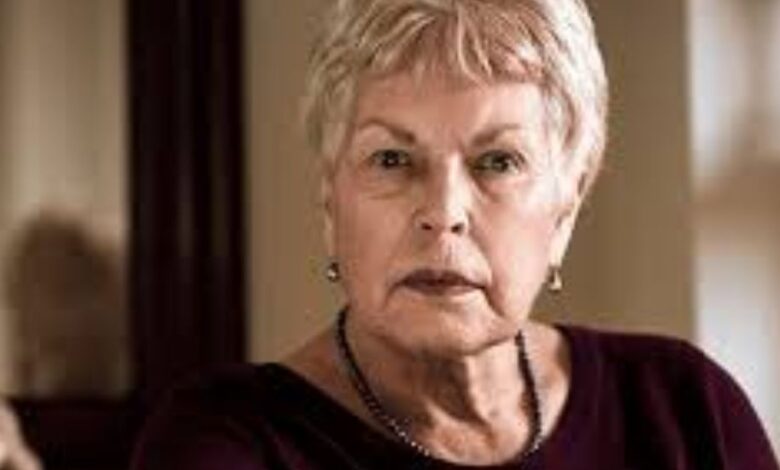
Barbara Vine is not a separate person but the pen name of Ruth Rendell, one of Britain’s most celebrated crime writers. She adopted this pseudonym to distinguish a different style of writing from her traditional detective novels.
While Ruth Rendell became famous for her Inspector Wexford series, Barbara Vine novels are:
- More psychological than procedural
- Deeply focused on human behavior
- Often centered on past secrets and their consequences
Barbara Vine books are less about solving crimes and more about understanding why crimes happen. This shift in tone allowed Rendell to explore darker and more literary themes, making Vine novels highly respected in both crime fiction and literary circles.
Barbara Vine’s Writing Style and Themes
Barbara Vine’s works are known for their unique narrative depth and haunting atmosphere. Her stories often unfold gradually, revealing hidden truths layer by layer.
Key Characteristics:
- Non-linear storytelling
- Strong psychological tension
- Focus on memory, guilt, and identity
- Ordinary people in extraordinary situations
Common Themes:
- The long shadow of the past
- Moral ambiguity
- Obsession and control
- Social class and relationships
Unlike fast-paced thrillers, Vine’s novels require patience—but reward readers with powerful emotional and intellectual impact.
Barbara Vine Books in Order
Understanding Barbara Vine books in order helps readers appreciate how her style evolved over time.
1980s:
- The Dark-Adapted Eye (1986)
- A Fatal Inversion (1987)
- The House of Stairs (1988)
1990s:
- Gallowglass (1990)
- King Solomon’s Carpet (1991)
- Asta’s Book (1993)
- No Night Is Too Long (1994)
- The Brimstone Wedding (1995)
- The Chimney Sweeper’s Boy (1998)
2000s:
- Grasshopper (2000)
- The Blood Doctor (2002)
- The Minotaur (2005)
- The Birthday Present (2008)
2010s:
- The Child’s Child (2012)
Each novel stands alone, making them accessible in any order, though reading chronologically shows the development of her storytelling depth.
A Fatal Inversion – A Landmark Novel
A Fatal Inversion (1987) is one of Barbara Vine’s most acclaimed works and remains a cornerstone of psychological crime fiction.
Plot Overview:
The story begins with the discovery of two bodies buried in a garden. The narrative then moves backward, revealing the events leading to the tragedy.
Why It Stands Out:
- Won the prestigious Crime Writers’ Association Gold Dagger Award
- Masterful use of dual timelines
- Deep exploration of youth, irresponsibility, and consequences
The novel exemplifies Vine’s ability to transform a simple mystery into a profound psychological study.
Gallowglass (1990) – A Psychological Turning Point
Published in 1990, Gallowglass represents one of Barbara Vine’s most intense psychological narratives.
Key Elements:
- A story of manipulation and obsession
- Focus on a kidnapping plot
- Characters driven by emotional dependency
This book is often cited as one of her darkest works, showcasing her ability to explore disturbing human relationships.
In the Time of His Prosperity – Clarifying the Title
Many readers search for “In the Time of His Prosperity Barbara Vine,” but it’s important to clarify that this is not a Barbara Vine novel.
Instead, it is a short story by Ruth Rendell, written under her real name. While it shares thematic similarities—such as irony and moral tension—it is not part of the Barbara Vine collection.
This distinction highlights how Rendell used her two identities to explore different storytelling styles.
Grasshopper (2000) – A Modern Classic
Grasshopper is one of Barbara Vine’s most accessible and contemporary novels.
Plot Highlights:
- Follows a group of young urban explorers
- A prank leads to a tragic accident
- Explores guilt, responsibility, and survival
Why Readers Love It:
- Strong character development
- Realistic portrayal of youth culture
- A gripping moral dilemma
This novel demonstrates Vine’s ability to adapt her psychological themes to modern settings.
Barbara Vine Books (1990 Focus)
The year 1990 marked the release of Gallowglass, a pivotal novel in her career.
Importance of 1990:
- Transition into darker psychological territory
- Greater emphasis on complex character relationships
- Expansion of narrative experimentation
Barbara Vine Books (2008 Focus)
In 2008, Vine published The Birthday Present, one of her later works.
Key Features:
- Political scandal backdrop
- Themes of secrecy and unintended consequences
- A blend of personal and public conflict
This novel shows her continued ability to remain relevant even in later years.
Barbara Vine Movies and TV Shows
Barbara Vine’s works have been adapted into several television productions, most notably in the UK.
The Barbara Vine Mysteries (BBC)
A major television series aired in the early 1990s.
Included Adaptations:
- A Fatal Inversion
- A Dark-Adapted Eye
- Gallowglass
These adaptations brought her psychological storytelling to a wider audience.
Other Adaptations:
- BBC Radio dramatizations
- Rendell-related TV series based on her other works
While not all Vine novels were adapted, her influence on crime television remains significant.
Christopher Ravenscroft – His Connection
Christopher Ravenscroft is a British actor known for his roles in crime dramas.
His Relevance:
- Starred in The Ruth Rendell Mysteries
- Played Inspector Burden
Although he did not directly appear in Barbara Vine adaptations, his work is closely tied to Ruth Rendell’s broader literary universe.
This connection often leads readers to associate his name with Barbara Vine searches.
Barbara Vine’s Death
Since Barbara Vine is a pseudonym, her death corresponds to Ruth Rendell’s passing.
Key Details:
- Date: 2 May 2015
- Cause: Stroke
- Age: 85
Her death marked the end of an extraordinary literary career that influenced generations of crime and psychological fiction writers.
Legacy of Barbara Vine
Barbara Vine’s contribution to literature goes beyond crime fiction.
Her Lasting Impact:
- Elevated psychological crime to literary status
- Influenced modern thriller writers
- Bridged the gap between genre fiction and literary fiction
Her novels continue to be studied, adapted, and read worldwide.
Why Barbara Vine Still Matters Today
In an era dominated by fast-paced thrillers, Barbara Vine’s work stands out for its depth and realism.
Modern Relevance:
- Focus on human psychology remains timeless
- Themes of guilt and memory are universally relatable
- Complex characters reflect real-world moral ambiguity
Her stories remind readers that the most compelling mysteries are not about crime—but about people.
Conclusion
Barbara Vine, the darker literary identity of Ruth Rendell, remains one of the most important voices in psychological crime fiction. From A Fatal Inversion to Grasshopper and The Birthday Present, her novels offer a deep exploration of human nature, far beyond traditional mystery storytelling.
Her influence continues to shape the genre, making her works essential reading for anyone interested in intelligent, character-driven suspense.
For more insightful articles on literature, authors, and book guides, visit infizo, your go-to English blog for in-depth content.